
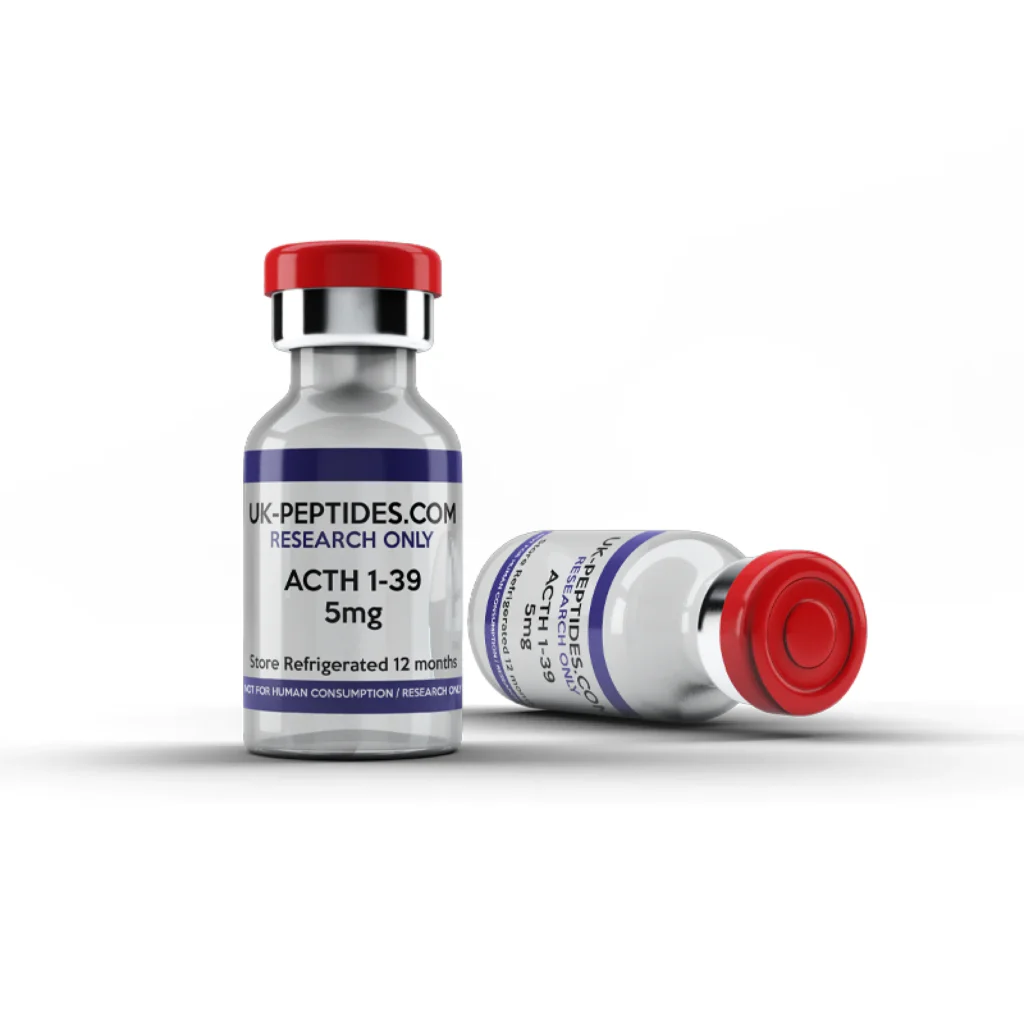
Peptides have become one of the most discussed topics in skincare, wellness, longevity research, and modern biotechnology. From copper peptides used in advanced skincare products to peptide compounds researched for metabolism, cellular health, and biological signalling, peptides are attracting growing interest across the UK.
But what exactly are peptides? How do they work? What types of peptides are available, and what does current research say about their potential uses?
This complete UK guide explains everything you need to know about peptides, including their structure, benefits, popular peptide types, safety considerations, and how to choose high-quality peptides from a trusted UK supplier.
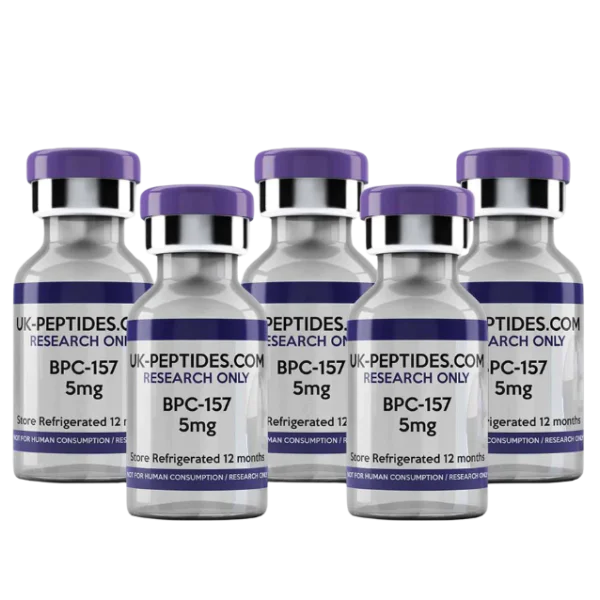
Peptides are short chains of amino acids linked together by peptide bonds. Amino acids are the fundamental building blocks that make up proteins, which are essential for many biological processes in the human body.
While proteins are made up of longer chains of amino acids, peptides are smaller molecules that usually contain between two and approximately fifty amino acids.
Because of their smaller structure, peptides can act as signalling molecules, helping communicate information between cells and influencing various biological pathways.
Researchers study peptides because of their involvement in processes such as:
The specific effects of a peptide depend on its amino acid sequence and how it interacts with the body.
Peptides work primarily by acting as messengers within biological systems.
Certain peptides can signal cells to perform specific functions. For example, some peptides used in skincare are studied for their relationship with collagen production and skin repair pathways, while other peptides are researched for their role in metabolism or cellular energy.
The way a peptide works depends on:
This is why different peptides can have completely different purposes despite all belonging to the same general category.
There are thousands of naturally occurring peptides, and scientists continue to research new peptide compounds. Some of the most popular peptide categories include:
GHK-Cu copper peptides, also known as copper tripeptide-1, is one of the most researched peptides in skincare and cosmetic science.
Naturally found in the body, GHK-Cu is associated with processes involved in skin repair, collagen formation, and tissue remodelling.
Studies have investigated GHK-Cu for its potential role in:
Because of its popularity in skincare formulations, GHK-Cu is often referred to as a copper peptide or copper peptide serum ingredient.
People searching for GHK-Cu UK or copper peptides UK often do so because of its growing popularity in advanced skincare and cosmetic research.
Some peptides are researched for their relationship with metabolism, appetite regulation, and glucose pathways.
One well-known example is tirzepatide peptides, a peptide-based medication that interacts with GLP-1 and GIP hormone pathways.
Research into metabolic peptides has focused on areas including:
It is important to understand that prescription peptide medicines should only be used under appropriate medical guidance.
NAD+ (nicotinamide adenine dinucleotide) is a molecule involved in cellular energy production and metabolism.
Interest in NAD+ research has increased due to its connection with:
Scientists continue to investigate how NAD+ levels influence cellular processes and overall biological function.
Some peptides are researched for their involvement in neurological processes, including communication between nerve cells.
Orexin peptides, for example, are naturally occurring signalling molecules involved in:
Research into these peptides continues as scientists explore their role in brain and metabolic functions.
The potential benefits of peptides depend entirely on the specific peptide being studied.
Some areas of peptide research include:
Certain peptides, especially copper peptides and collagen-supporting peptides, are widely used in skincare because of their relationship with skin structure and regeneration pathways.
Research has explored their potential connection with:
Certain peptide-based compounds have been studied for their effects on:
These areas have contributed to increasing interest in peptides for metabolic health research.
Some peptides are investigated for their role in cellular processes, including:
The main difference between peptides and proteins is their size.
| Peptides | Proteins |
|---|---|
| Short chains of amino acids | Longer chains of amino acids |
| Usually smaller molecular structure | Larger molecular structure |
| Often act as signalling molecules | Perform many structural and functional roles |
| Commonly studied in targeted applications | Essential components of living organisms |
Both peptides and proteins are made from amino acids, but their size and function can differ significantly.
The legal status of peptides in the UK depends on:
Some peptides are commonly used as cosmetic ingredients, while others may fall under pharmaceutical regulations.
Before purchasing or using any peptide product, customers should understand:
With the growing popularity of peptides, choosing a reliable supplier is essential.
When selecting a peptide supplier, consider:
Look for suppliers that prioritise:
A trustworthy peptide supplier should provide information about:
A professional UK peptide supplier should offer clear communication and support throughout the purchasing process.
Interest in peptides has grown because of increasing awareness around:
As research continues, peptides remain an exciting area of study across cosmetic science, healthcare research, and biotechnology.
Peptides are used and researched in many areas, including skincare, biotechnology, metabolic research, and cellular biology.
No. Peptides and steroids are different types of compounds with different structures and mechanisms.
Many peptides occur naturally in the human body, while others are created synthetically for research or commercial applications.
GHK-Cu copper peptide is one of the most researched and popular peptides used in advanced skincare products.
Customers looking for peptides in the UK should choose suppliers that focus on quality, transparency, and responsible product information.
Peptides represent one of the fastest-growing areas of modern biotechnology, skincare research, and wellness science.
From GHK-Cu copper peptides supporting advanced skincare research to metabolic and cellular peptides being investigated for broader biological applications, peptides continue to attract interest from researchers and consumers alike.
Understanding what peptides are, how they work, and how different peptide types are researched is the first step toward making informed decisions.
For anyone exploring peptides in the UK, choosing a reputable supp